A Guide to Popular Window Types for Your Home
Windows are more than just panes of glass shielding us from the elements; they’re the eyes of a home, offering...
Read MoreLast Updated: 20 February 2026
When homeowners invest in new windows, the primary focus is often on keeping the heat in and the cold out. In the quest for better energy efficiency, we look for the tightest seals and the most advanced double glazing. However, creating a perfectly airtight home introduces a new challenge: the need for controlled airflow.
At Reddish Joinery, a family-run business with over 50 years of experience, we understand that ventilation for double glazed windows is a vital component of a healthy home. Current building standards increasingly prioritise indoor air quality, making it essential to understand how your timber window frame helps your home breathe.
Historically, old windows provided “accidental” ventilation through small gaps and draughts. While this was terrible for your heating bills, it did mean that stale air was constantly being replaced. Modern double glazing is designed to eliminate these draughts, which is excellent for comfort but can lead to poor ventilation by trapping moisture, CO2, and household pollutants inside.
This is where background ventilation comes in. It provides a slow, steady exchange of air without creating a chilly draught, and since 2022, providing adequate ventilation has become a legal requirement for most replacement windows.
The most common way to achieve this is through trickle vents. These are small, controllable openings typically known as slot vents located at the top of the window. They allow fresh air to enter and stale air to exit, maintaining a healthy balance without compromising the security of your home.
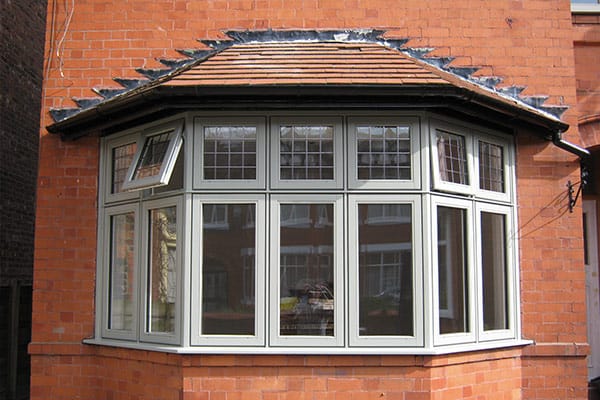
Ignoring the need for airflow can lead to significant issues within a property. When a home is effectively “sealed shut,” several problems begin to surface:
Yes, in most cases. Under Document F of the Building Regulations, if your old windows had vents, your new windows must have them too. If they didn’t, you must still prove that the replacement doesn’t worsen the existing ventilation for your home.
Other options like “night vents” (where the window is locked in a slightly open position) exist, but these don’t count as background ventilation under the law because they are not as secure or consistent as a dedicated trickle vent.
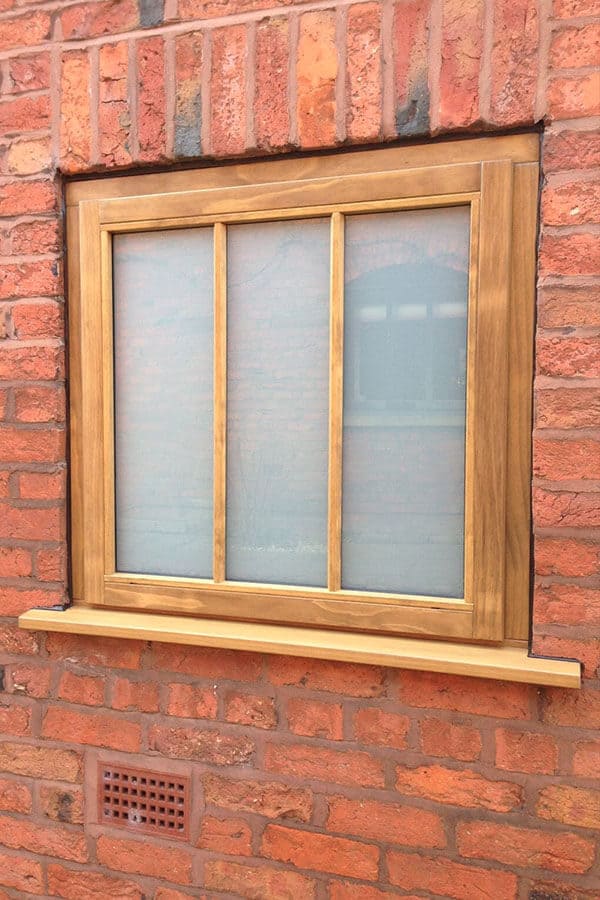
For owners of period properties, there is often a concern that modern requirements like window vents will ruin the aesthetic of traditional timber windows. At Reddish Joinery, we specialise in making these features as discreet as possible.
We use colour-matched trickle vents that sit flush within the timber profile, making them virtually invisible from a distance. Because we manufacture our windows bespoke, we can integrate these features into the head of the frame or hidden within a deep shadow line, ensuring you get the benefits of trickle vents without sacrificing the classic look of your home.
Trickle vents are designed to provide background ventilation, not a gale-force wind. They are small enough that they don’t significantly impact energy efficiency, and they can be closed manually if it is particularly windy outside.
While uPVC windows and aluminium are common, timber remains the premier choice for homeowners who value both performance and sustainability.
Wood is a natural insulator. While metal frames require complex thermal breaks to prevent heat loss, a timber window frame naturally keeps your home warm. This inherent insulation works in tandem with double glazing to provide top-tier energy efficiency.
Unlike uPVC windows, which can become brittle and discolour over time, timber can be maintained and repainted. If a timber window with window trickle vents is well-ventilated and cared for, it can last 60 years or more.
Wood is a renewable resource that traps carbon. By choosing timber from sustainable sources, you are making a choice that has a much lower environmental impact than choosing synthetic, oil-based products.
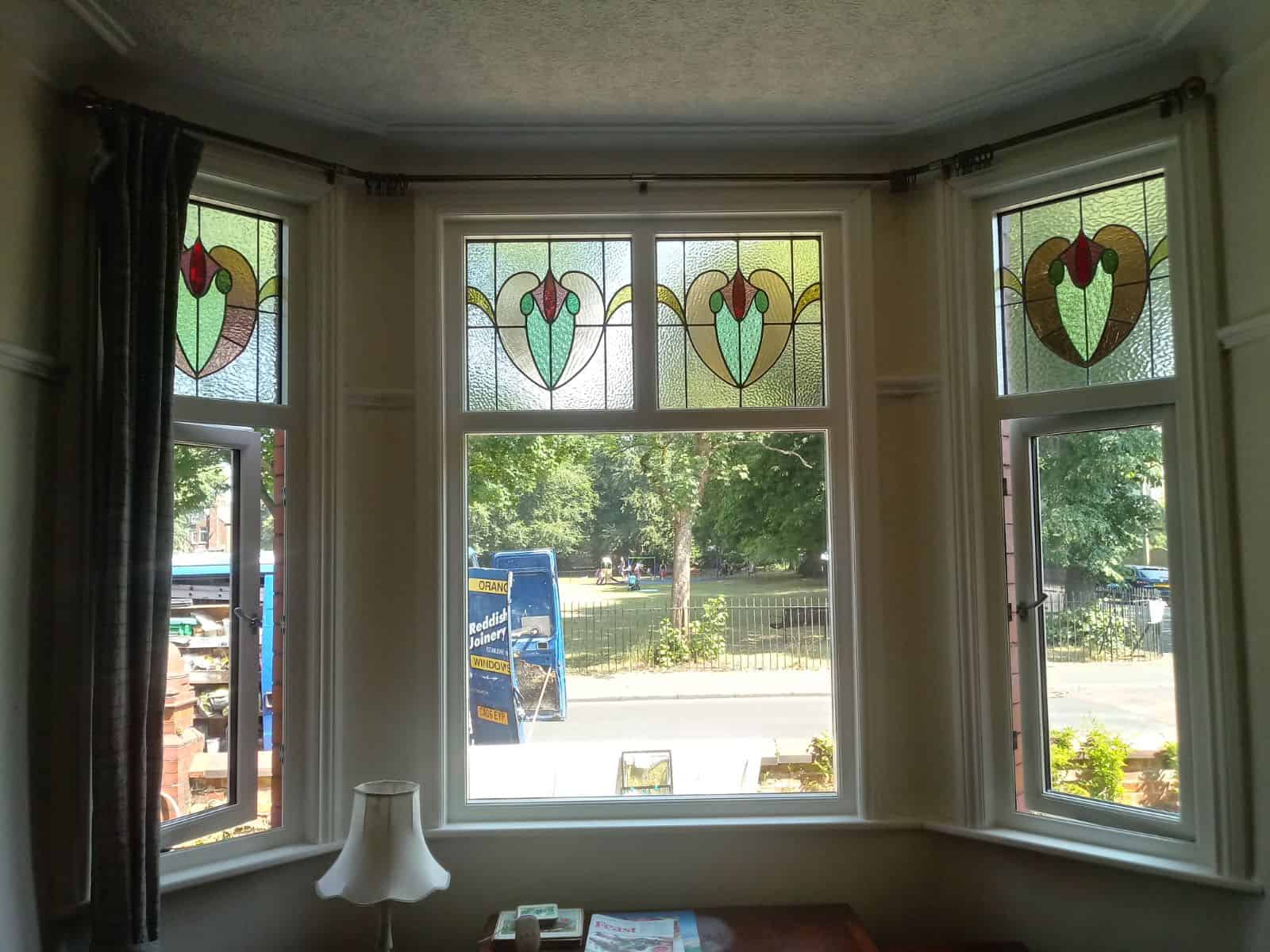
To maintain air quality, you should occasionally vacuum the opening of the trickle vent to remove dust. A small brush can also clear any debris that might be blocking the path for fresh air.
If you are looking to upgrade your home with high-performance timber windows that balance energy efficiency with traditional style, the team at Reddish Joinery is here to help. We provide the expertise you need to ensure your home remains warm, dry, and healthy for years to come.
Contact Reddish Joinery today to discuss your project. You can call us on 0161 969 7474 or email sales@reddishjoinery.com.
Windows are more than just panes of glass shielding us from the elements; they’re the eyes of a home, offering...
Read MoreIf you’ve noticed your window has become difficult to open or close there could be a number of problems going...
Read MoreWhen you’re living in a period property it can be difficult to find the balance between improving the efficiency of...
Read MoreWith energy bills continuing to soar, we’re all looking for ways we can conserve energy around our homes. When homeowners...
Read More