How much do new wooden sash windows cost?
Reddish Joinery has been producing high-quality window joinery since 1967, so we understand the importance of retaining the period and...
Read MoreLast Updated: 21 August 2026
Most wooden decking lasts between 10 and 25 years. Softwood boards sit at the lower end; pressure treated hardwood usually lasts longer. But wood species, maintenance habits and exposure all shift that number dramatically in either direction. If you want the short answer, that’s it. If you want to know which timber choices hold up longest, what the warning signs of failure look like, and why Accoya-treated decking sits in a different category altogether, read on.
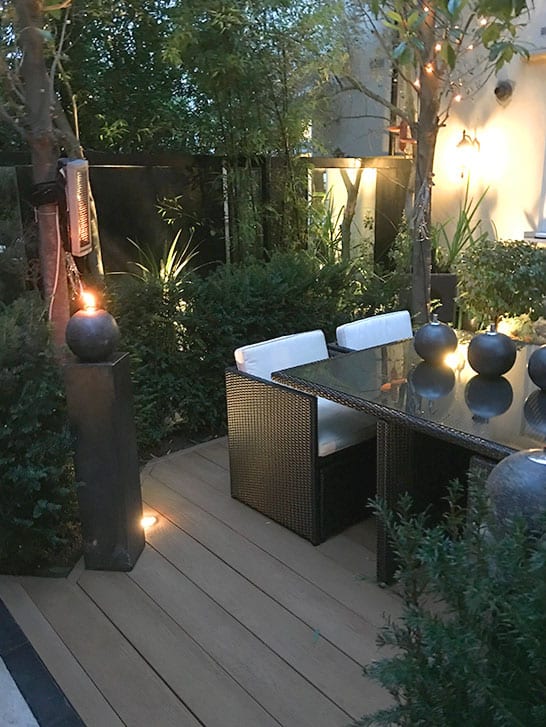
Softwood is the most common choice for garden decking in the UK, pine, spruce and larch are all widely used. Left untreated, softwood boards can begin to show rot within a few years of outdoor exposure. Pressure treated softwood typically lasts around 10 to 15 years, provided it receives regular preservative treatment every one to two years, stays clean and drains properly.
The problem is that most homeowners don’t maintain that schedule. A missed season, a damaged finish, standing water in the joints, any of these accelerate decay. By year eight or nine, boards start to feel spongy, splinter underfoot and lose structural integrity faster than expected.
| Timber type | Typical lifespan | Maintenance needed |
| Untreated softwood | 3–5 years | High |
| Pressure treated softwood | 10–15 years | High |
| Hardwood (e.g. ipe, iroko) | 25–40 years | Medium |
| Accoya modified wood | 50+ years | Low |
Yes, significantly. Dense hardwoods like ipe, iroko and yellow balau contain natural oils that resist moisture, insect damage and decay far better than softwood. Hardwood decking can last 25 to 40 years with proper care, though the upfront cost is considerably higher and sourcing FSC-certified hardwood requires more due diligence.
Knowing when to repair and when to replace saves money and, more importantly, prevents injury. Watch for these indicators:
If you are seeing two or more of these signs across your deck, replacing the boards or the structure beneath is almost certainly the more cost-effective route. Patching isolated damage on an otherwise sound deck is reasonable; chasing rot through an aged structure rarely pays off.
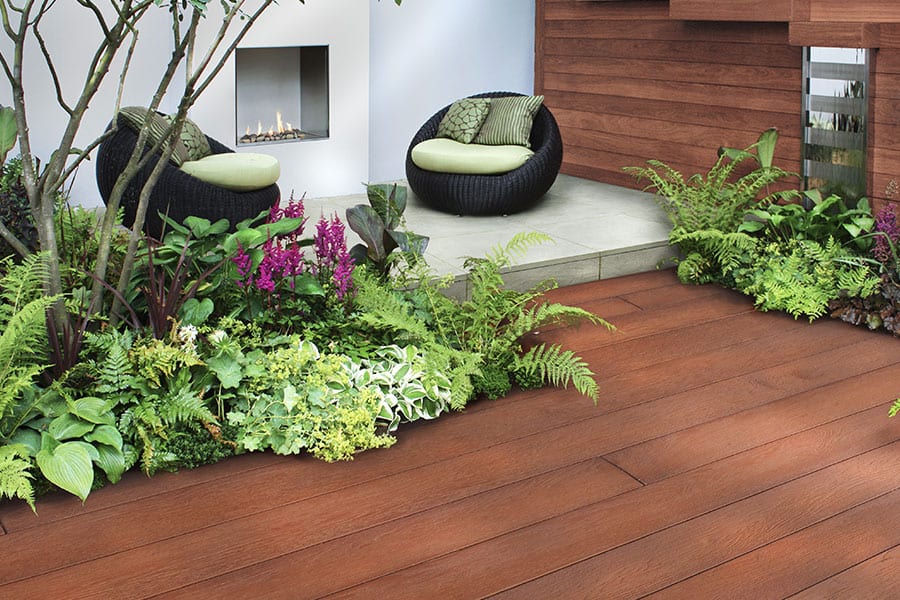
Composite decking, a blend of wood fibre and polymer, sits between timber and Accoya in terms of longevity. Quality composite boards are designed to resist rot, fading and splitting without annual treatment. Third-generation capped composite products typically carry manufacturer warranties of 25 years or more, though the aesthetic remains a matter of personal preference.
At Reddish Joinery we offer Millboard composite decking for homeowners who want a wood-free, low-maintenance alternative. It looks the part and performs well long-term.
Accoya carries a 50-year above-ground warranty and a verified 60-year service life. That puts it in a different league from any conventionally treated timber.
Accoya is produced through a process called acetylation, a non-toxic modification that changes the cellular structure of sustainably sourced softwood so that it can no longer absorb moisture in the way untreated wood does. Fungi have nothing to feed on. Swelling and shrinkage are reduced by up to 75% compared to untreated timber. The boards stay dimensionally stable, resist rot and remain structurally sound for decades.
Reddish Joinery visited the Accsys Technologies production facility in the Netherlands and saw Accoya decking that had been used as a marina walkway for five years, exposed to coastal conditions, with no treatment whatsoever, and it looked “remarkably untouched.” That is what genuine durability looks like in practice.
The upfront cost of Accoya is higher than pressure treated softwood. That is honest and worth saying plainly. But over a 20–30 year period, the calculation shifts. Conventional softwood decking replaced twice in that time, plus the cost of annual treatments, cleaning and board repairs, typically exceeds the cost of a single Accoya installation that outlasts it entirely.
Beyond cost, there is the peace of mind that comes with a 50-year guarantee backed by Accsys Technologies, one of the most credible warranties available on any building material. Reddish Joinery are approved Accoya manufacturers and installers, one of a select group in the UK authorised to offer that warranty to homeowners.
Reddish Joinery has been manufacturing and installing timber products since 1967. As approved Accoya manufacturers and installers, we can specify, build and fit Accoya decking that will outlast anything else on the market and provide an outstanding warranty.
If you are based in Cheshire, Greater Manchester or the wider North West and want a deck you will not be replacing in ten years’ time, call us on 0161 969 7474 or use our online contact form.
Reddish Joinery has been producing high-quality window joinery since 1967, so we understand the importance of retaining the period and...
Read More
Wooden windows have been loved in the North West and beyond for centuries, and it’s easy to see why. The...
Read More
When it comes to enhancing your home with elegant door solutions, the choice between patio doors versus French doors can...
Read More
What is biophilic design? It’s a design philosophy that reconnects us with nature by incorporating natural elements, materials, and patterns...
Read More