Patio Doors vs French Doors: Which Works Best in Timber?
When it comes to enhancing your home with elegant door solutions, the choice between patio doors versus French doors can...
Read MoreLast Updated: 15 December 2025
What is biophilic design? It’s a design philosophy that reconnects us with nature by incorporating natural elements, materials, and patterns into our living spaces.
In today’s fast-paced, technology-driven world, many of us spend most of our time indoors, disconnected from the natural environments our ancestors thrived in. Biophilic design addresses this disconnect by bringing nature inside, creating spaces that promote wellness, reduce stress, and enhance overall quality of life.
At Reddish Joinery, we’ve spent over 60 years crafting premium timber products that celebrate natural materials and sustainable design principles. Understanding biophilic design is essential for homeowners looking to create healthier, more beautiful living spaces, and timber extensions, garden rooms, and conservatories are perfect canvases for implementing these transformative principles.
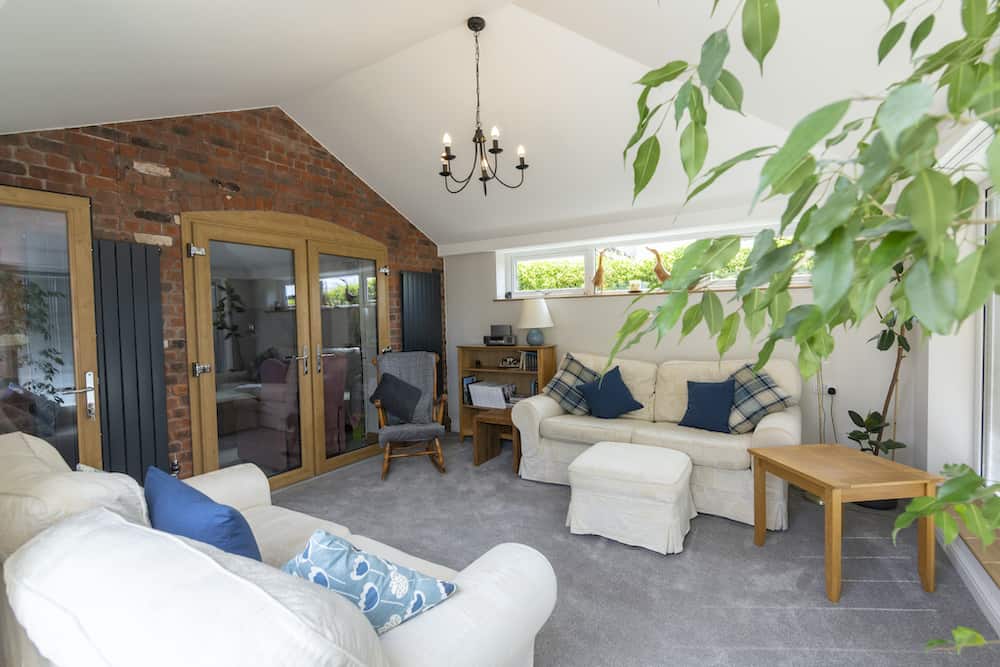
Biophilic design is grounded in scientific research demonstrating that humans have a biological need for connection with nature. Studies consistently show that exposure to natural elements reduces stress levels, improves mental health, and enhances cognitive function.
When applied to interior design and architecture, this principle transforms how we conceptualise our homes.
Biophilic design principles encompass far more than simply adding plants to a room. Instead, they involve a holistic approach that integrates:
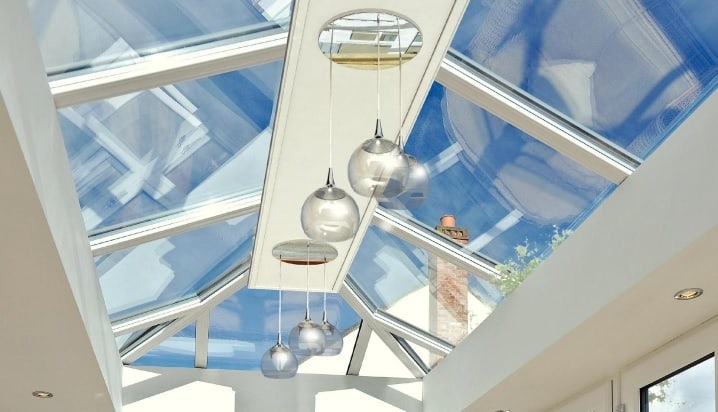
One of the most impactful aspects of biophilic architecture is maximising natural light. Sunlight brightens a space, but it also influences mood, energy levels, and sleep patterns.
Practical applications include:
For homeowners in Greater Manchester looking to implement this principle, a timber extension or conservatory with expansive glazing creates the perfect connection between indoor and outdoor spaces while maintaining the structural integrity and aesthetic appeal that quality timber construction provides.
The materials we surround ourselves with profoundly influence how spaces feel. Natural materials in design include:
At Reddish Joinery, we specialise in premium timber products that showcase the beauty of natural wood. Whether it’s bespoke joinery, doors, or the structural framework of an extension, authentic timber is the cornerstone of biophilic design.
If you’d like to find out more about incorporating biophilic design into your home, contact Reddish Joinery today. For more information about our range of glazing products call 0161 969 7474 or send us a message online and we’ll get back to you as quickly as possible.
When it comes to enhancing your home with elegant door solutions, the choice between patio doors versus French doors can...
Read MoreThinking about transforming your cramped kitchen into a spacious, light-filled hub for family life? You’re not alone. Kitchen extension plans...
Read MoreDesigning a kitchen extension is one of the most transformative home improvements you can undertake. Whether you’re looking to create...
Read MoreLooking to create more room and add significant value to your property? Kitchen extensions are one of the most popular...
Read More