Wooden Conservatory Doors: Style, Strength and Thermal Performance
Adding a conservatory is a practical way to gain extra floor space without the high costs and lengthy timelines of...
Read MoreLast Updated: 26 January 2026
When winter arrives, many conservatory owners face the same frustrating problem: their beloved room becomes uncomfortably cold and virtually unusable. If you’re wondering how to keep a conservatory warm in winter, you’re not alone. Conservatories are brilliant for extending your living space and flooding your home with natural light, but without the right thermal solutions, they can quickly become an expensive room you simply avoid during the colder months.
At Reddish Joinery, we’ve spent over 60 years helping Greater Manchester homeowners create timber conservatories that remain comfortable and welcoming throughout the year. In this blog, we’ll explore everything you need to know about how to keep your conservatory warm in winter.
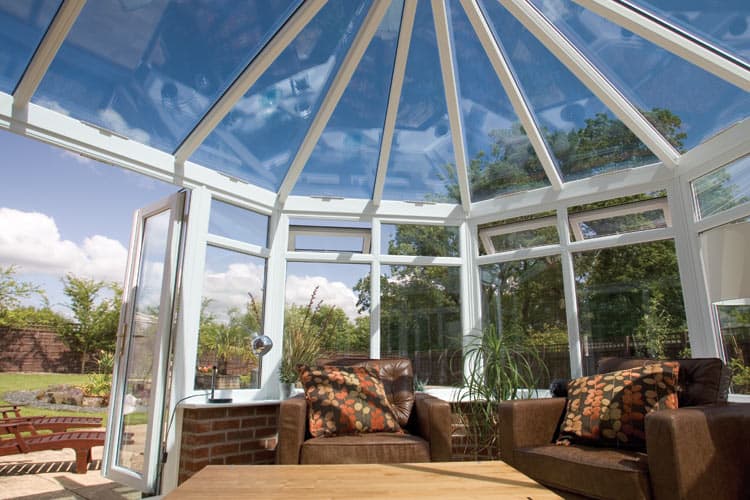
Before looking into solutions, it’s helpful to understand why conservatories struggle with warmth during winter.
A typical conservatory is essentially a glass room. While this is perfect for capturing sunshine in summer, it creates significant challenges when temperatures drop. Glass is an excellent conductor of heat, meaning thermal energy escapes through your conservatory roof and walls far more readily than through conventional solid walls.
Key heat loss culprits include:
Understanding these issues is the first step towards creating a genuinely warm conservatory space that remains pleasant from October to March.
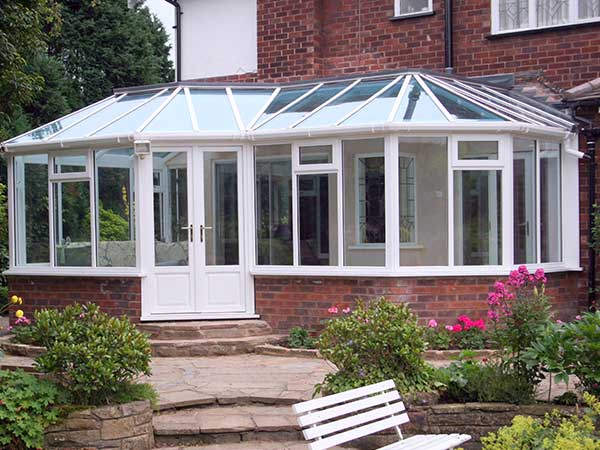
Your choice of glazing is perhaps the single most important factor in keeping a conservatory warm in winter. If you’re serious about year-round usability, investing in superior glazing technology should be your priority.
Traditional single-glazed conservatories are essentially heat sieves. Double glazing represents a significant step forward, while triple glazing offers exceptional thermal performance.
Double glazing works by creating an insulating air gap between two panes of glass. This trapped air acts as a barrier, dramatically reducing heat transfer compared to single glazing. Most modern conservatories use double glazing as standard, and for good reason.
Triple glazing takes this further with three panes and two insulating air gaps. While more expensive, triple glazing:
For properties in Greater Manchester and the North West, where winter temperatures regularly dip below freezing, triple glazing is increasingly popular with homeowners committed to genuine thermal comfort.
Standard glass allows infrared radiation to pass straight through. Low-emissivity (Low-E) glass, however, features a special coating that reflects heat back into your conservatory while allowing visible light through.
This technology is genuinely transformative. Low-E glass coatings:
When combined with double or triple glazing, Low-E glass creates an exceptionally efficient thermal envelope. Most premium conservatory installations now specify Low-E glass as standard.
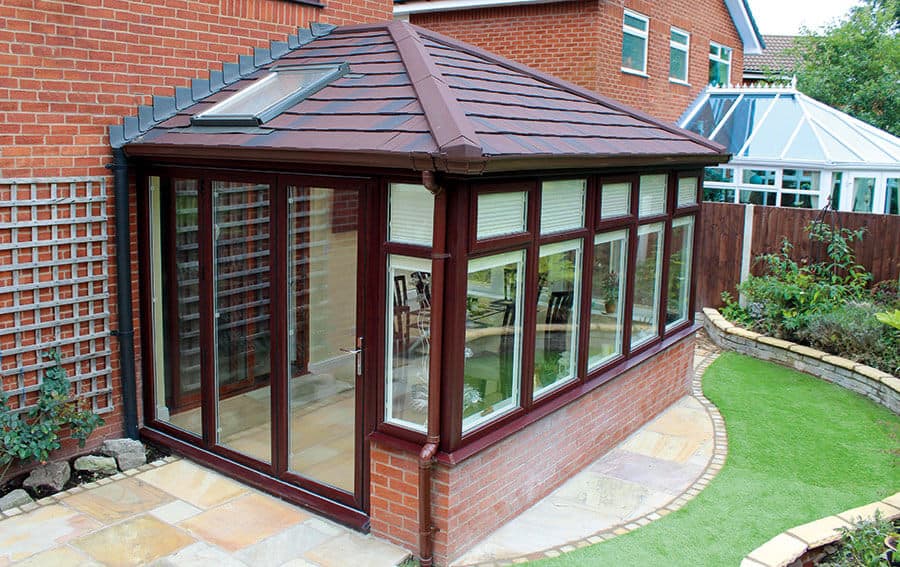
Your conservatory roof is where a large amount of heat escapes during winter months. Proper roof insulation is absolutely essential for maintaining warmth and reducing heating costs.
Different conservatory designs require different insulation approaches.
Polycarbonate roofs – common in budget conservatories – offer minimal insulation value. If you have a polycarbonate roof and serious concerns about winter warmth, upgrading to a glass roof with integrated insulation is genuinely transformative. Modern polycarbonate panels do include some insulation properties, but glass with integrated insulation substantially outperforms them.
Glass roofs with built-in insulation – premium options feature integrated insulation layers between glass panes or within the roof structure. These provide excellent thermal performance.
Tiled roofs – if you’re replacing your conservatory roof or upgrading, consider modern lightweight tile systems designed for conservatories. These integrate insulation while providing the aesthetic of a traditional roof.
As you can see, there are several effective ways to keep your conservatory warm in winter. If you’d like to find out more about how Reddish Joinery can help you to enhance your glazed extension, get in touch today. You can call us on 0161 969 7474 or send us a message online and we’ll get back to you as soon as possible.
Adding a conservatory is a practical way to gain extra floor space without the high costs and lengthy timelines of...
Read MoreAre you considering a kitchen extension but unsure where to start? Whether you’re dreaming of a bright, airy space filled...
Read MoreSo, you’ve invested in a beautiful new conservatory – congratulations! Now comes the exciting part: how to furnish a conservatory...
Read MoreIf you’re dreaming of a larger kitchen but working with limited square footage, you’re not alone. Many homeowners across Greater...
Read More