How much do new wooden sash windows cost?
Reddish Joinery has been producing high-quality window joinery since 1967, so we understand the importance of retaining the period and...
Read MoreLast Updated: 8 October 2026
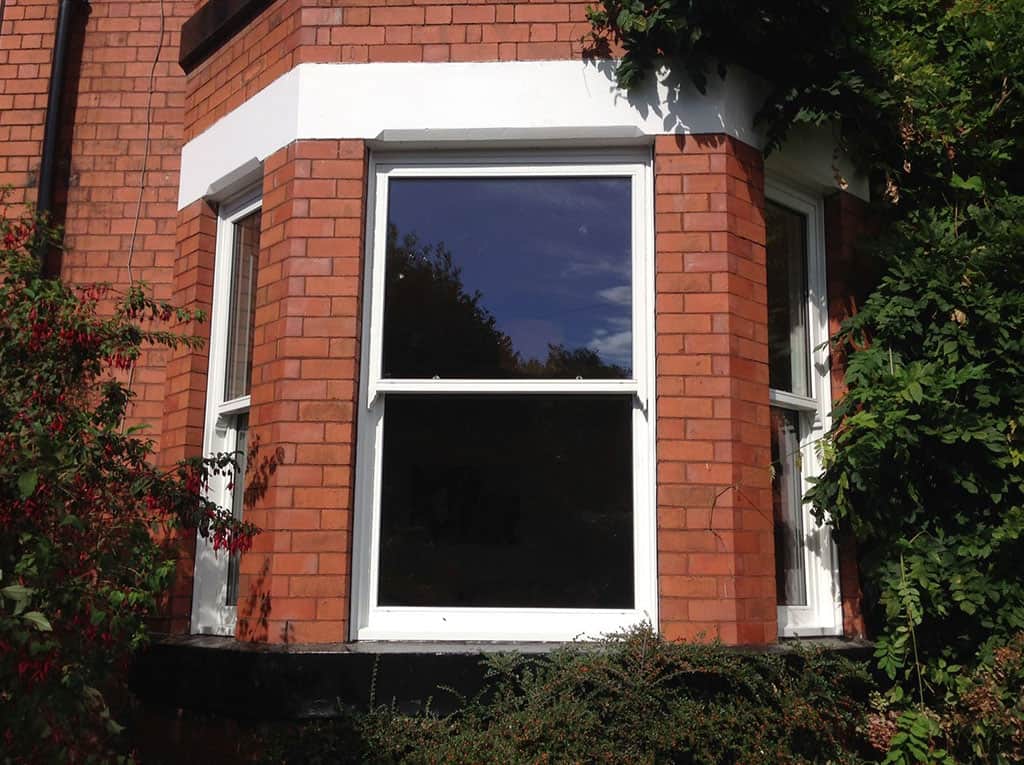
New timber sliding sash windows are one of the most rewarding upgrades you can make, bringing warmth, character and timeless kerb appeal to your home. A sliding sash window has two panels, known as sashes, which slide up and down within the frame. It’s the classic style found on Georgian and Victorian homes and is still a popular choice today.
Because every window is made to measure, the price will always reflect what your property needs. That’s why timber sliding sash windows prices vary from home to home. This guide talks you through the key factors, so you can plan your budget with confidence.
Key takeaways
Window size is usually the starting point for any quote. Larger windows need more timber, bigger glass units and heavier sashes, which all add to the materials and labour involved.
The layout of the window matters too. For example:
Because we make every window in our own Stockport workshop, we can closely match the size and style of your existing frames. That’s handy if you’d like to replace your windows a few at a time, as the new ones will sit comfortably alongside the originals.
The material your windows are made from is one of the biggest factors in sash window prices. Here’s a quick look at the two timbers we work with.
Accoya is a high-performance timber that has been specially treated to resist swelling, shrinking, warping, rot and insect damage. As approved Accoya manufacturers and installers, we can offer a 50-year guarantee on Accoya windows in exterior use.
It’s a premium timber, so it sits at the higher end of the scale. For many homeowners, though, the long lifespan and reduced upkeep make it a worthwhile investment that stands the test of time.
Responsibly sourced Sapele is a dense, durable hardwood with an attractive grain. It’s a traditional choice for wooden windows and suits homeowners who prefer a natural hardwood. As with Accoya, your choice of timber will be reflected in your quote. We’re always happy to talk through which option suits your home and budget best.
The type of glazing you choose has a noticeable effect on the cost of your windows. Our timber sliding sash windows are available with energy-efficient double or triple glazing.
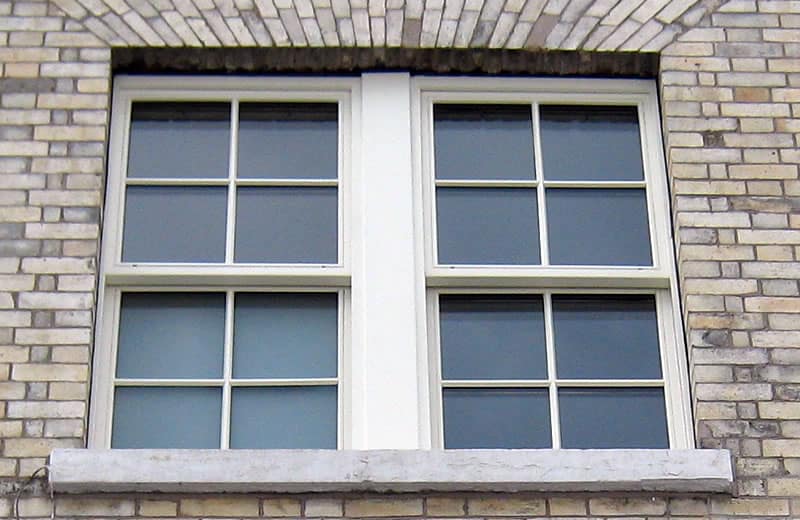
Glazing bars play a big part in the look of sliding sash window designs. Georgian sash windows typically have multiple small panes divided by Georgian bars, while Victorian sash windows often have fewer, larger panes.
On double glazed sashes, this effect is usually created with astragal bars, which sit on the glass to give the appearance of separate panes. The more intricate the astragal bar arrangement you choose, the more work goes into each sash, which adds to the cost.
Sash fasteners, lifts and locks are small details, but they shape how your windows look and feel day to day. Choosing period-style fittings or a premium finish can add to the cost, though they give your windows a more authentic appeal.
All our timber windows are spray finished after manufacture, using advanced protective coatings with a UV resistant finish.
We offer bespoke colours from Farrow & Ball, from timeless heritage shades to contemporary tones. Matching a specific shade to your home is part of the bespoke process, so it’s worth confirming your preferred colour early to keep your quote accurate.
Installation cost depends largely on the amount of labour your home needs. Factors include:
A thorough survey picks up these issues early. Our team is FENSA and TrustMark accredited, giving you extra peace of mind that the work meets recognised standards.
If your home sits in a conservation area or is listed, your local planning authority may expect replacement windows to closely match the originals.
That can mean specific frame profiles, slim glazing bars, traditional sightlines and sash horns. We offer sash windows with mock sash horns and can replicate original detailing on period homes. This extra joinery adds to the cost, but it protects the character of your property and helps your application go smoothly. It’s always worth checking with your local authority before committing to a specification.
Yes. uPVC sash windows usually come at a lower price than timber and need very little maintenance. Woodgrain finishes can help them blend in. However, in a conservation area, timber is often the more appropriate choice for planning approval.
A few practical steps can help you plan with confidence:
If your old windows are only showing minor wear, a simple repair solution may still be possible. Our guide to replacing wood windows explains the signs to look for.
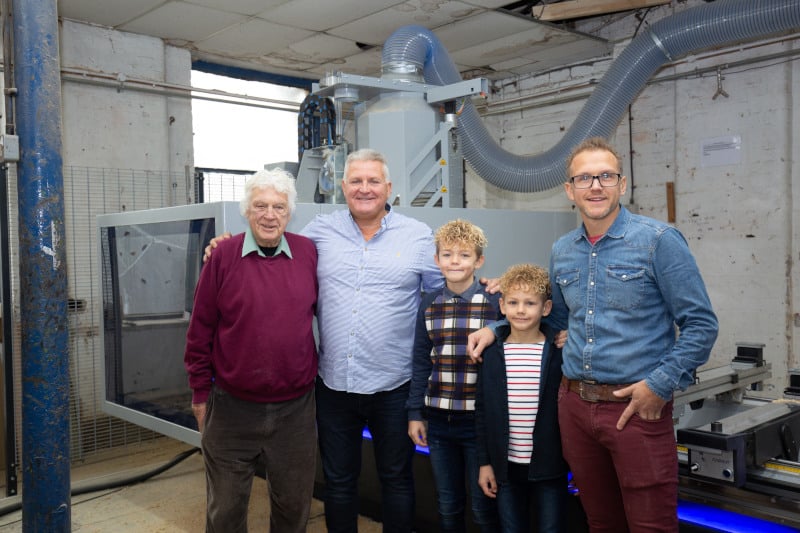
We design, manufacture and install every timber window ourselves, so we can answer your questions on everything from timber and glazing to finishes and planning requirements. Our family-run team has been manufacturing windows in Stockport since 1967. We’re now in our third generation and look after homes across Cheshire, Lancashire and Greater Manchester.
Timber sliding sash windows prices differ from one home to the next, so the best way to understand the cost for your property is to let us take a look. Our team will visit, measure up and talk through your options, then provide a clear, no-obligation quote.
Call our friendly team on 0161 969 7474 or email sales@reddishjoinery.com today.
Reddish Joinery has been producing high-quality window joinery since 1967, so we understand the importance of retaining the period and...
Read More
Wooden windows have been loved in the North West and beyond for centuries, and it’s easy to see why. The...
Read More
Most wooden decking lasts between 10 and 25 years. Softwood boards sit at the lower end; pressure treated hardwood usually...
Read More
Choosing between timber sliding sash and casement windows comes down to three things: your property’s character, how you use the...
Read More