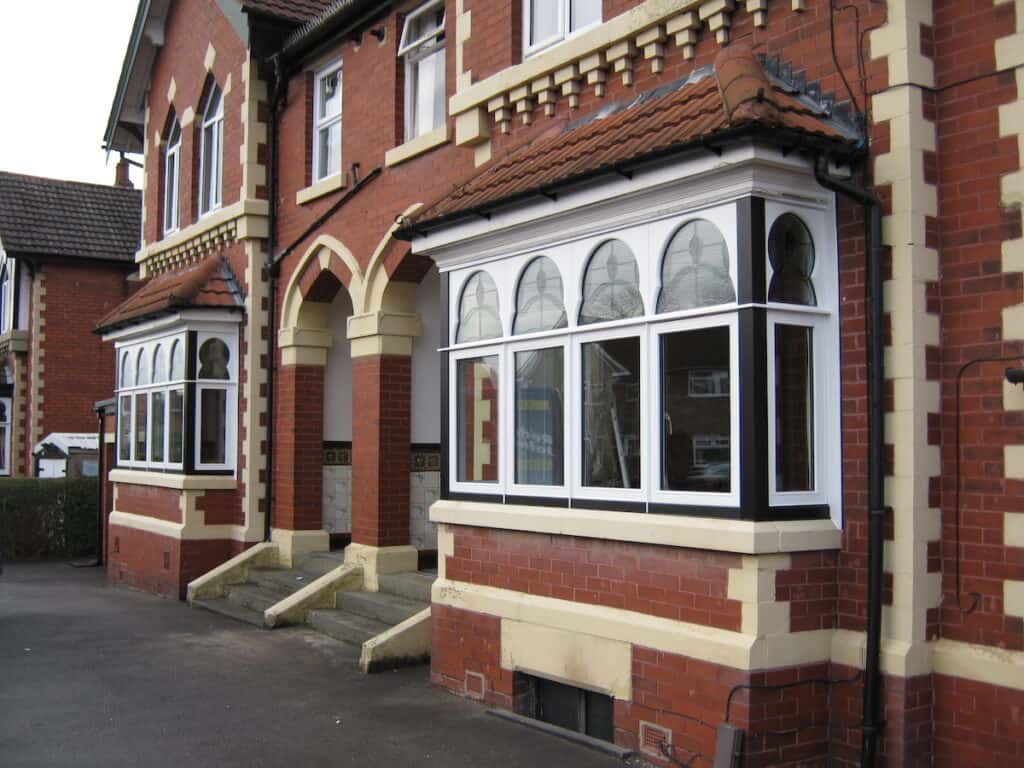
Replacing windows in a conservation area: What homeowners must know
Before commissioning any work, check whether an Article 4 direction applies to your property. Getting this wrong can result in...
Read MoreLast Updated: 3 August 2026
Choosing between timber sliding sash and casement windows comes down to three things: your property’s character, how you use the space, and your budget. If your home is Victorian, Edwardian or sits within a conservation area, sash windows are almost always the right call. For modern and contemporary homes, timber casements tend to win on cost, ventilation and flexibility. In this blog, you’ll find out all you need to know.
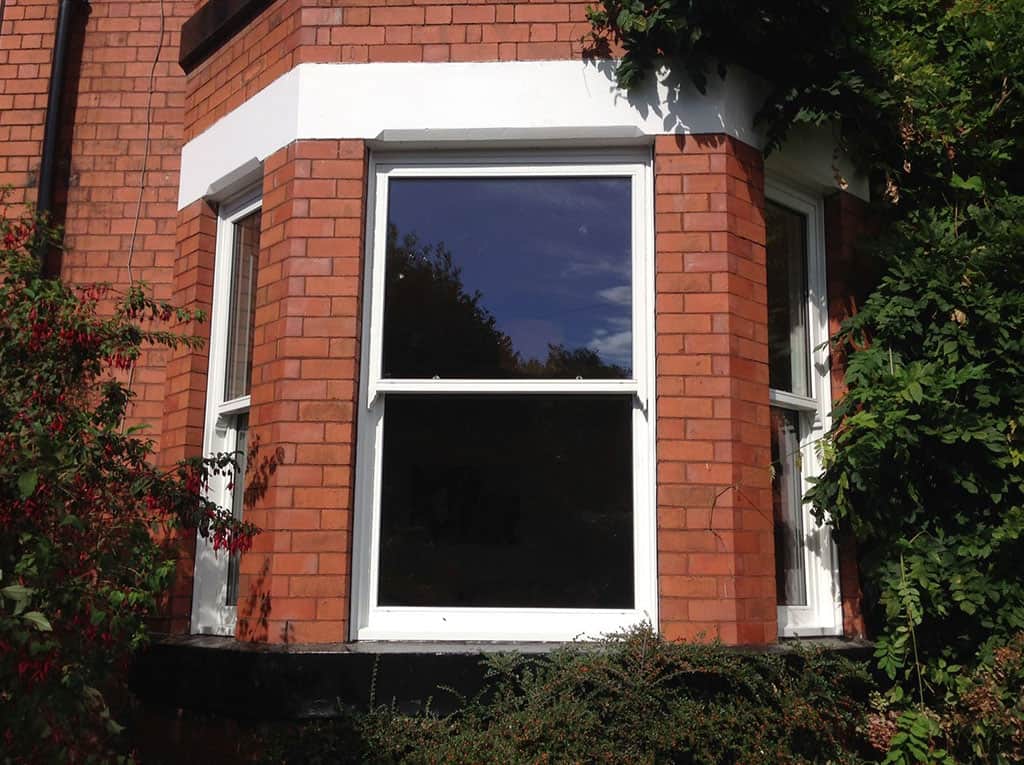
A timber sliding sash window operates vertically. Two glazed panels, known as sashes, slide up and down within a box frame. The top sash drops; the bottom sash rises. Neither swings outward, which makes them a popular choice for properties on busy streets or with narrow window openings.
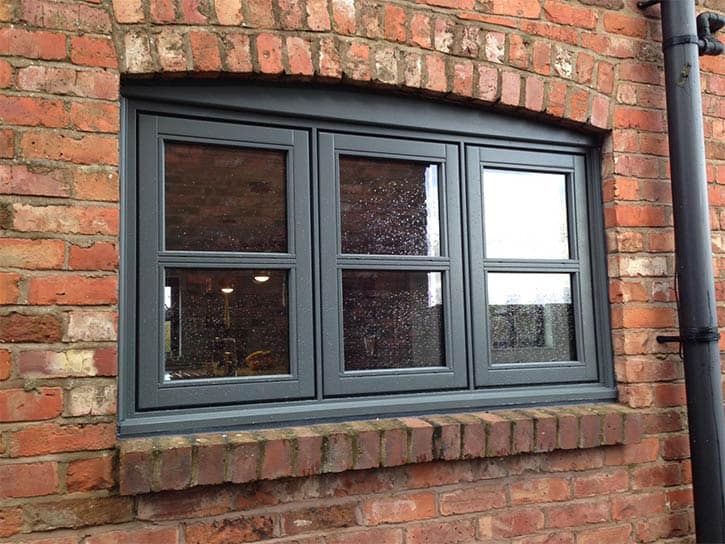
A timber casement window is hinged at the side (or occasionally the top) and opens outward, much like a door. The opening mechanism relies on hinges and a stay bar to hold the frame in position. Casements are simpler in construction, which generally makes them more affordable and easier to source in a wide range of styles.
Both window types can be crafted in high-performance Accoya timber, the engineered wood Reddish Joinery uses across its timber windows range. Accoya is guaranteed for 50 years in exterior use and is virtually rot and insect-proof, so the material itself levels the playing field when it comes to longevity.
Sash windows define the streetscape of most British period homes. The slim glazing bars, the symmetrical two-over-two or six-over-six pane arrangement, and the recessed box frame are all details that planning authorities and conservation officers look for when approving replacement windows in older properties.
Casements offer more design freedom. They can be tailored to suit Georgian, Victorian, Arts and Crafts and contemporary styles. The flush casement, where the opening sash sits flush with the outer frame, is a popular choice for homes in conservation areas that want a period look without the mechanical complexity of a sliding sash.
This is where casements pull ahead. A fully open casement exposes the entire glazed area to fresh air, which is useful in kitchens, bathrooms and bedrooms where you want a strong through-draught quickly.
Sash windows take a more considered approach to ventilation. Opening both the top and bottom sash at the same time creates stack ventilation: warm, stale air escapes from the top while cooler air draws in from below. This is a natural, passive form of air circulation that was widely used in Victorian homes long before mechanical ventilation existed, and it remains genuinely effective.
Timber sliding sash windows are more expensive to manufacture. The box frame, counter-balance weights or spring balances, and the precision required to ensure smooth, draught-free sliding all add to the unit cost. For made-to-measure sash windows crafted in Accoya, expect a higher starting price than a comparable casement of the same size.
Timber casements are a more budget-friendly entry point into hardwood glazing. The hardware is simpler, a pair of hinges, a stay, and a handle, and the frame construction is less labour-intensive.
If budget is a primary concern and your property suits both styles, timber casements are the more cost-effective route.
For Victorian and Edwardian homes, the vertical sliding sash is the historically accurate choice. These houses were designed with tall, narrow window openings specifically to accommodate the sash mechanism. Replacing them with a casement can look out of place and, in conservation areas, may not be permitted without specialist approval.
Reddish Joinery manufactures Accoya timber sash windows that match existing frames to tight tolerances, which is particularly useful when replacing single-glazed originals on a phased basis.
For Georgian properties, both styles have historical precedent, though the sliding sash is again more period-appropriate. For Arts and Crafts, cottage-style and rural homes, casements are typically the more authentic choice.
Modern timber windows in both styles can achieve A-rated energy efficiency performance with the right double or triple glazing specification. The bigger factor is the quality of the draught seal, not the opening mechanism.
Historically, sash windows had a reputation for draughts, largely because older cord-and-pulley boxes were not designed with modern weatherstripping. Contemporary manufactured sash windows, including those Reddish Joinery produces in Accoya, use brush pile seals and precision-machined frames to close the gap. Timber itself also provides excellent insulation, outperforming uPVC for thermal mass in many applications.
The full timber windows range from Reddish Joinery includes options in both sash and casement styles with energy-efficient glazing as standard.
Ready to choose? Reddish Joinery has been manufacturing and installing bespoke timber windows from its Stockport base since 1967. Whether you need a full timber sash window replacement or a set of timber casements for a new extension, the team can visit your home, measure up and provide a no-obligation quote. Call 0161 969 7474 or browse the full windows range to get started.
Before commissioning any work, check whether an Article 4 direction applies to your property. Getting this wrong can result in...
Read More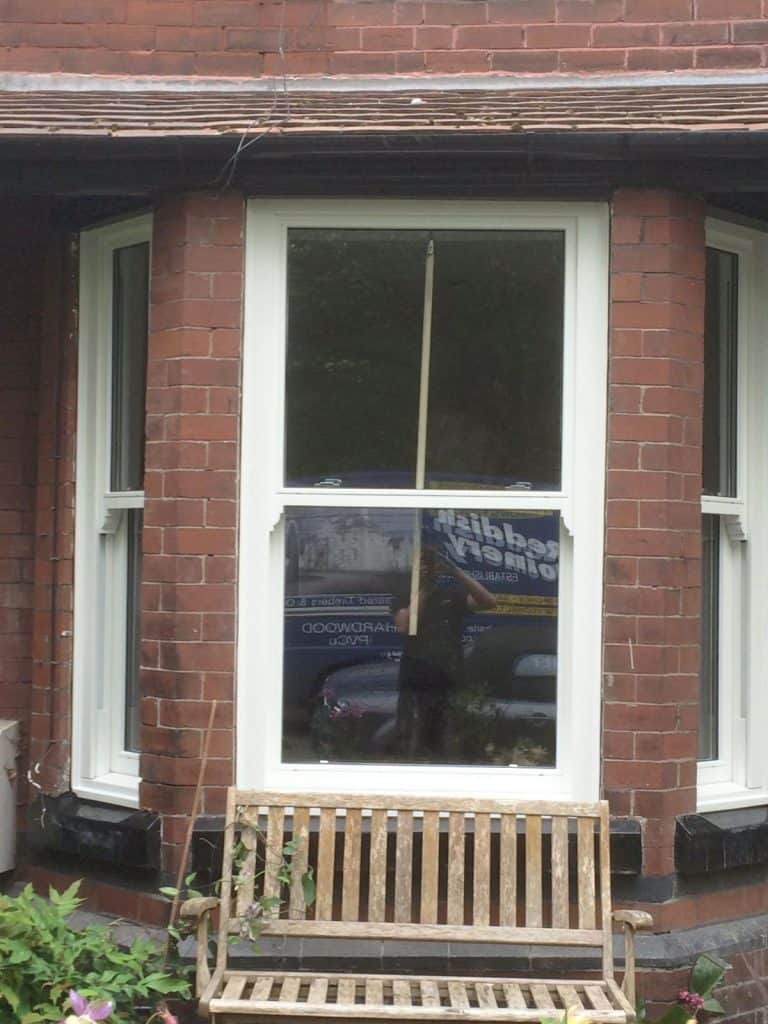
If you’re replacing vertical sliding windows, the choice usually comes down to two materials: aluminium sash windows or traditional timber....
Read More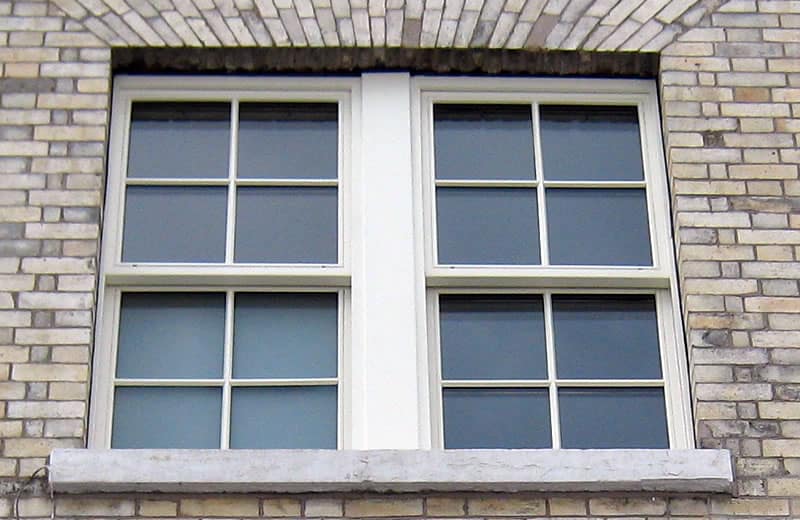
If you own a Victorian, Edwardian or Georgian property, off-the-shelf windows rarely fit. Made to measure sash windows give you...
Read More
When it comes to enhancing your Cheshire property, Cheshire windows and conservatories are some of the most impactful home improvements...
Read More