What affects the price of timber sliding sash windows?
New timber sliding sash windows are one of the most rewarding upgrades you can make, bringing warmth, character and timeless...
Read MoreLast Updated: 27 July 2026
Before commissioning any work, check whether an Article 4 direction applies to your property. Getting this wrong can result in an enforcement notice requiring you to remove and replace the windows at your own cost.
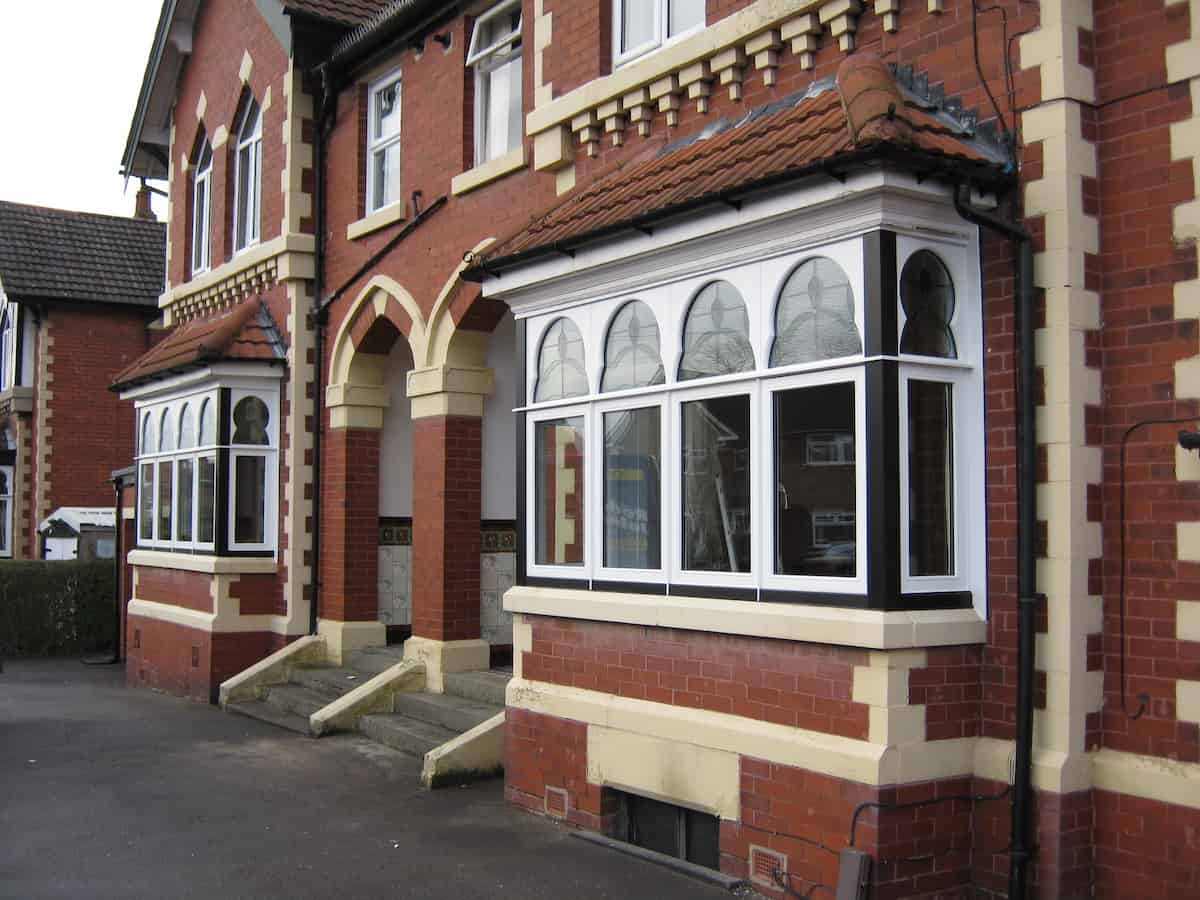
Not always, but often yes. England had 9,907 conservation areas in 2024. Living in one does not automatically trigger a planning application.
The key factor is an Article 4 direction. Under normal circumstances, replacing like-for-like windows sits within permitted development rights and no application is needed. Where your local planning authority (LPA) has issued an Article 4 direction, those rights are removed. You must apply for full planning permission before any window is touched, even if the replacement looks identical to the existing one.
If you live in a flat within a conservation area, you will almost always need to apply. All windows in a listed building require listed building consent rather than standard planning permission.
Check your LPA’s Article 4 direction maps online, or call the planning department directly. Reddish Joinery can also advise during your initial survey.
If an application is required, your LPA will typically ask for:
Conservation area designation protects the architectural and historic character of a place. Windows are one of the most visible parts of any elevation. Swapping a slender timber sash for a chunky uPVC frame changes the proportions, shadow lines and overall appearance of the building.
LPAs routinely refuse applications where the proposed window changes the visual character, even when the applicant considers it a straight swap. See our guide on whether uPVC windows are suitable for conservation areas for more information on this subject.
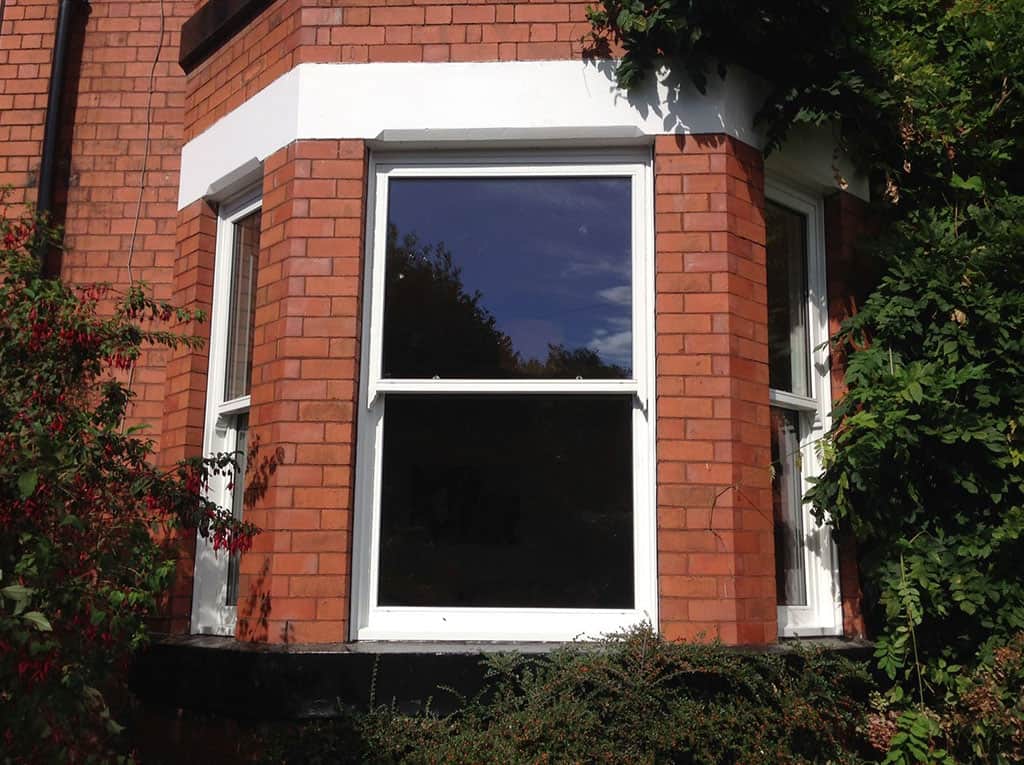
Timber can be profiled to replicate original mouldings, machined to match surviving joinery on the same elevation and finished in any colour. Our Accoya sash windows are manufactured from modified wood with a 50-year above-ground warranty. Where a timber-effect alternative has been accepted by your LPA, our Residence 9 windows replicate the flush sash profile of 19th-century joinery.
Specified correctly, timber gives planning officers the confidence to approve.
Reddish Joinery has guided homeowners across Greater Manchester and Cheshire through this process since 1967. Call us on 0161 969 7474 or explore our full range of timber windows to find the right solution for your property.
New timber sliding sash windows are one of the most rewarding upgrades you can make, bringing warmth, character and timeless...
Read More Reddish Joinery has been producing high-quality window joinery since 1967, so we understand the importance of retaining the period and...
Read More
Wooden windows have been loved in the North West and beyond for centuries, and it’s easy to see why. The...
Read More
Choosing between timber sliding sash and casement windows comes down to three things: your property’s character, how you use the...
Read More