Cheshire Windows and Conservatories: Bespoke Timber Solutions for Local Homes
When it comes to enhancing your Cheshire property, Cheshire windows and conservatories are some of the most impactful home improvements...
Read MoreLast Updated: 16 March 2026
If you’re considering expanding your living space, you’ve probably stumbled across the terms orangery vs conservatory more than once. Both are popular choices for homeowners across Greater Manchester looking to add extra square footage and natural light to their properties. But which is best for your home? Let’s take a closer look.
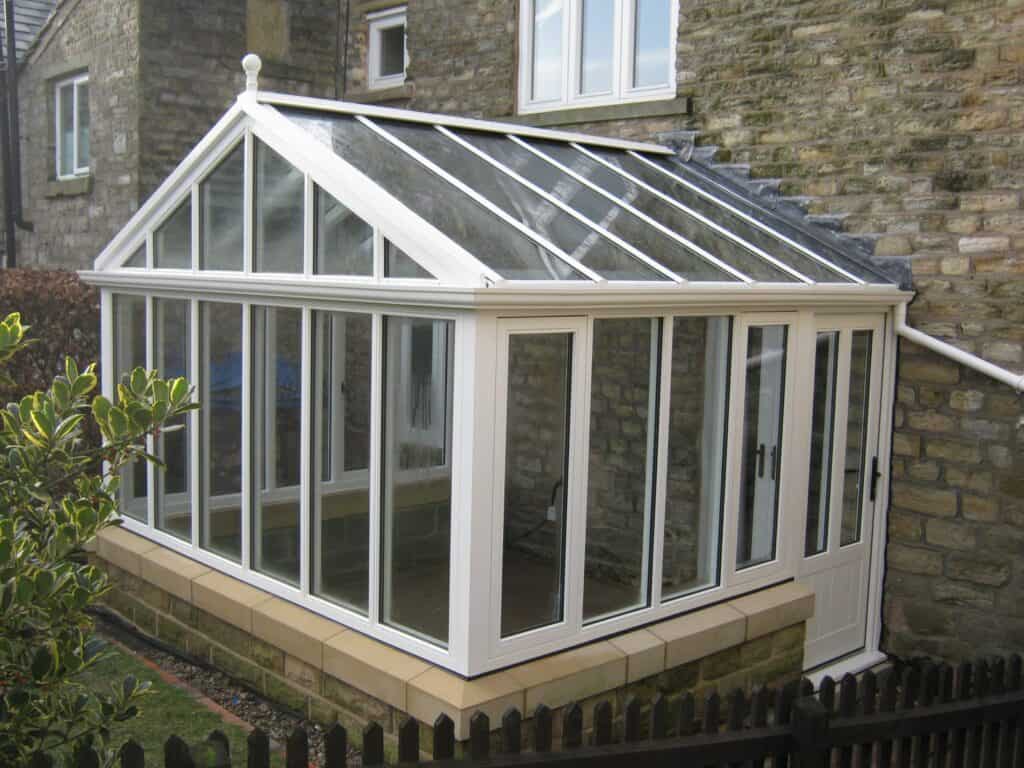
A conservatory is a glazed extension that brings the outdoors in. It’s typically built with large expanses of glazing, sometimes up to 75% glass, mounted on a brick or timber foundation wall that’s usually about 1 metre high. The remaining walls and the entire roof are predominantly glass or polycarbonate.
Conservatory extensions prioritise light and views, creating an airy, greenhouse-like atmosphere. Think of it as a space that’s halfway between your home and your garden, a transitional area that blurs the boundaries between indoor and outdoor living.
The traditional conservatory design became hugely popular in Victorian and Edwardian times, and many homeowners still love that aesthetic today. Modern conservatories have evolved considerably, but the fundamental principle remains, maximum glass, minimum walls.
An orangery, by contrast, is a more substantial structure. It features solid external walls, typically timber-framed or brick, with windows and doors positioned for natural light without overwhelming the space with glass. The roof is also mostly solid, with strategically placed roof lights (skylights) to flood the interior with daylight.
Historically, orangeries were grand structures built by wealthy landowners to cultivate citrus fruits during colder months. The name literally comes from their original purpose! Today’s residential orangery extensions maintain that solid, sophisticated appearance while offering far superior thermal performance compared to conservatories.
Conservatory structures typically feature:
The lightweight nature of conservatory designs means they can be erected relatively quickly, often without significant groundwork. This speed and simplicity contribute to their lower initial cost.
Orangery structures involve more substantial building:
When you choose a bespoke orangery from Reddish Joinery, you’re investing in a structure that’s built to the same exacting standards as your main home. We use premium timber throughout, ensuring longevity and authentic aesthetic appeal.
Conservatory extensions offer undeniable visual charm. That flood of natural light, the connection to the garden, the sense of airiness, these are genuinely beautiful qualities.
From outside, conservatories create a distinctive silhouette. They make a statement, particularly in traditional neighbourhoods where period properties with Victorian-style conservatory additions look authentically heritage-appropriate.
For homeowners seeking that classic, romantic garden room aesthetic, conservatories deliver brilliantly. There’s something genuinely appealing about sitting in a space where you’re surrounded by views of your garden, even when you’re technically indoors.
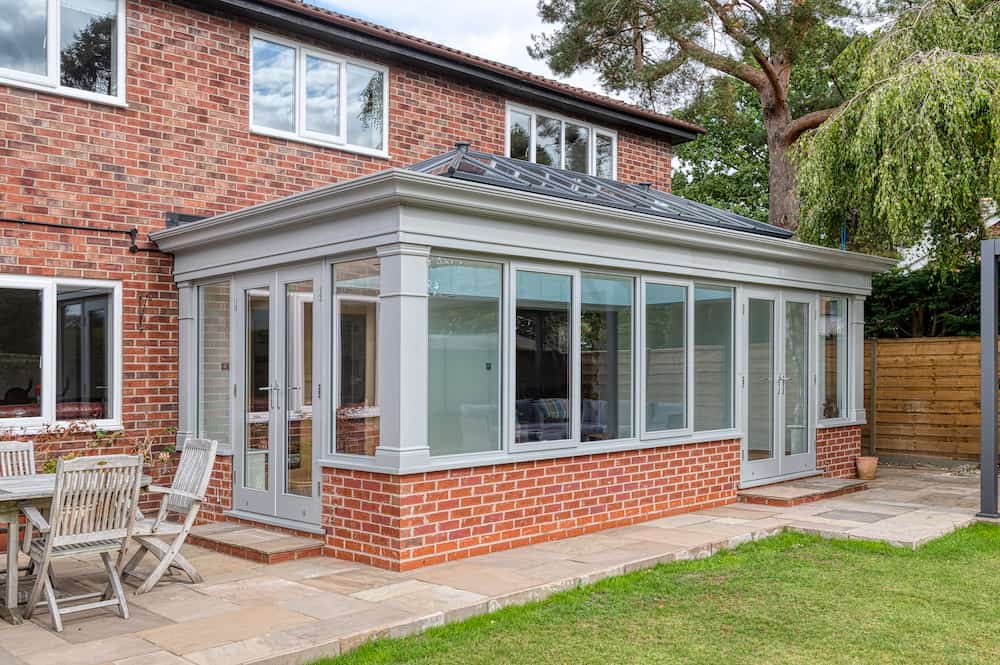
Orangery extensions offer a different aesthetic altogether, one that’s arguably more sophisticated and architecturally coherent.
Because an orangery features solid walls and a solid perimeter roof, it integrates seamlessly with your existing home architecture. Rather than appearing as a glass add-on, a well-designed orangery extension looks like a natural part of your property’s footprint.
When we design orangeries at Reddish Joinery, we match the materials, proportions, and architectural details to your home’s existing character. Whether your property is a period cottage, a Victorian terrace, or a contemporary dwelling, we craft timber frames and finishes that enhance rather than contrast with your architecture.
The strategic placement of roof lights in an orangery creates a sophisticated interplay of light and shadow, rather than the uniform brightness of a conservatory. This creates visual interest and genuine architectural beauty.
Orangery extensions also offer more flexibility for interior decoration. While conservatory walls are limited to minimal space, an orangery’s solid walls provide opportunities for shelving, artwork, feature fireplaces, and furniture placement that makes the space feel like an integral room rather than a transitional space.
Most conservatory extensions fall under “permitted development” rights in the UK, meaning you can often build without formal planning permission. This is one reason conservatories appeal to homeowners seeking a quick expansion.
However, several conditions must be met:
Building Regulations approval is still required for conservatories, despite the planning permission exemption. This ensures the structure meets safety and insulation standards.
Orangery extensions typically require formal planning permission because their solid construction and larger footprint don’t qualify for permitted development exemptions in most cases.
Conversely, planning officers often view orangeries more favourably than conservatories in conservation areas and near listed properties, precisely because they integrate architecturally rather than appearing as obviously temporary additions.
The planning process for an orangery takes longer (typically 8-12 weeks), but the outcome often receives stronger approval because planning departments recognize that solid orangery extensions represent permanent, thoughtfully designed improvements rather than quick glass additions.
As you can see, both conservatories and orangeries have their own unique advantages. Which one’s best for your home will ultimately depend on your personal preferences, budget, and expectations for your home.
If you’d like to find out more about working with Reddish Joinery on your home extension project, get in touch today. You can call us on 0161 969 7474 or send us a message online and we’ll get back to you as soon as possible.
When it comes to enhancing your Cheshire property, Cheshire windows and conservatories are some of the most impactful home improvements...
Read More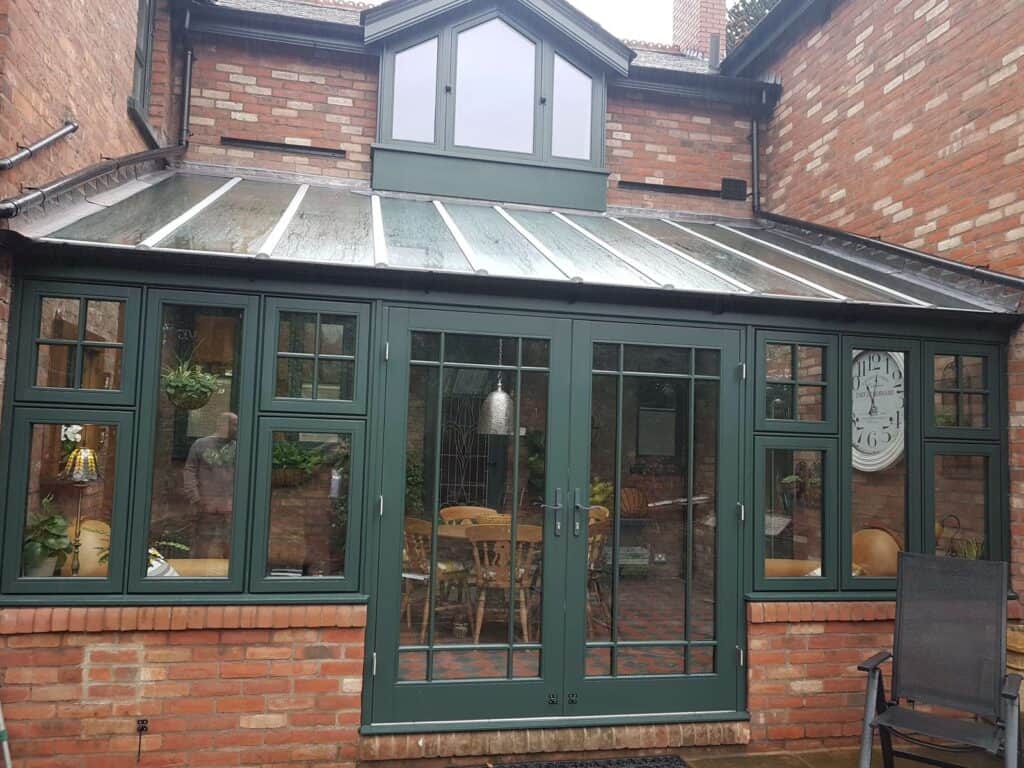
Adding a conservatory is a practical way to gain extra floor space without the high costs and lengthy timelines of...
Read More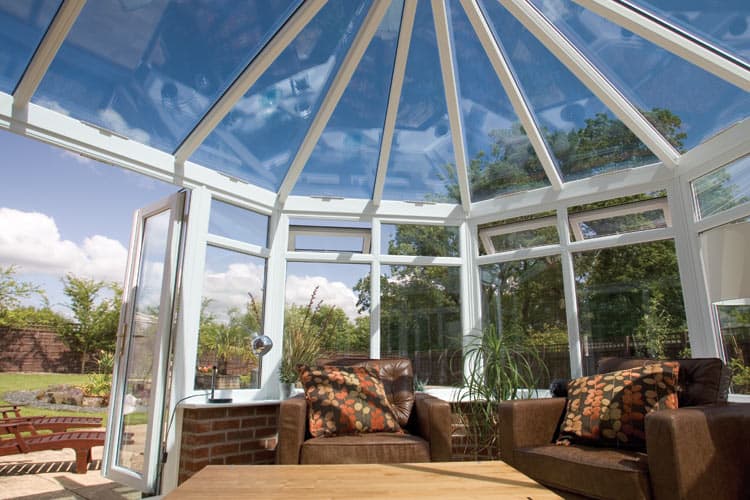
When winter arrives, many conservatory owners face the same frustrating problem: their beloved room becomes uncomfortably cold and virtually unusable....
Read More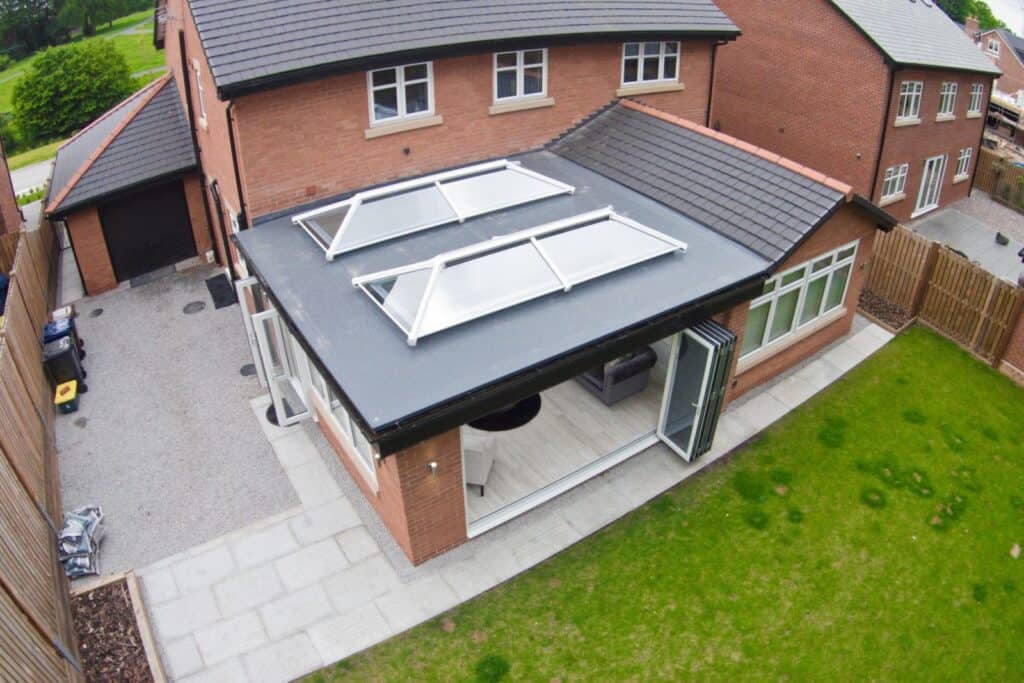
Are you considering a kitchen extension but unsure where to start? Whether you’re dreaming of a bright, airy space filled...
Read More